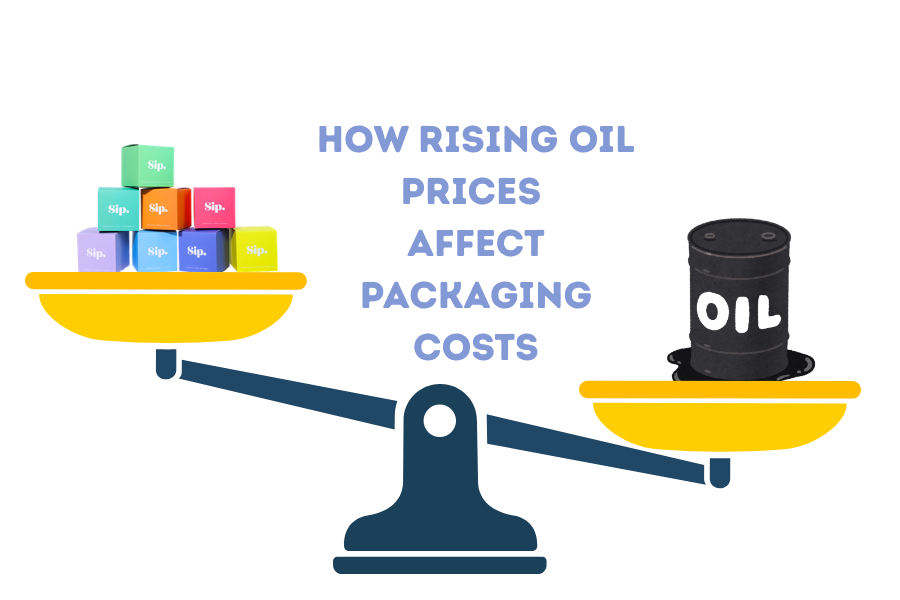

In an era of global supply chain volatility, one of the most pressing questions for business owners and procurement managers is: Why is my packaging cost rising?
While labor shortages and geopolitical instability play a role, the primary driver of these increases is often overlooked: the price of crude oil. From the plastic film wrapping your products to the corrugated cardboard boxes they ship in and the fuel used to deliver them, oil is the invisible thread tying the packaging industry together. Understanding this relationship is critical for businesses looking to manage budgets and source materials effectively. Here is a breakdown of how oil prices drive packaging prices worldwide.
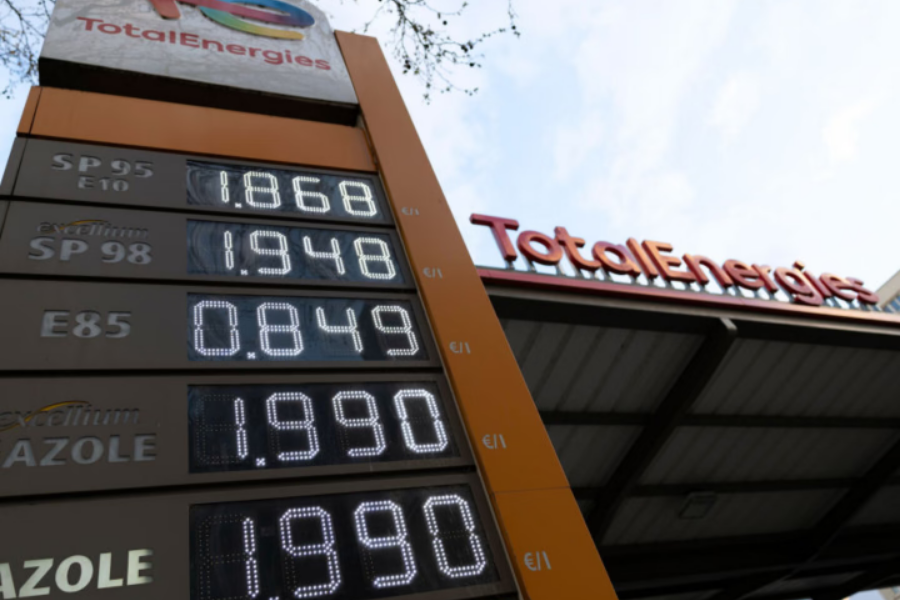
Why Packaging Prices Are Increasing Worldwide
Over the past few years, the packaging industry has faced an unprecedented wave of inflation. According to the International Monetary Fund (IMF), global packaging costs have risen by an average of 20% to 30% since 2021, with specific sectors like rigid plastics seeing even steeper hikes.
The common misconception is that this is solely due to “supply chain chaos.” However, the root cause is deeply tied to the energy market. Oil is not just a fuel; it is the primary feedstock for plastics and a significant energy source for manufacturing paper and corrugated board. When the Brent Crude benchmark rises above $80–$90 per barrel, the cost of raw materials for packaging follows suit with a lag of roughly 3 to 6 months.
Manufacturers are forced to pass these costs down the line, resulting in higher minimum order quantities (MOQs) and frequent “surcharge” notices for buyers.
How Oil Prices Affect Packaging Materials
When discussing packaging cost, the most direct impact is seen in plastic-based materials. Plastics are derivatives of natural gas and petroleum.
The price of resins—such as Polyethylene (PE), Polypropylene (PP), and Polyethylene Terephthalate (PET) is directly indexed to oil prices. According to ICIS (Independent Commodity Intelligence Services), for every $10 increase per barrel of crude oil, the cost of resin typically increases by approximately $0.05 to $0.08 per pound.
For a medium-sized e-commerce business using 10,000 pounds of plastic packaging per month, a sustained oil price spike can add $6,000 to $9,600 in annual material costs alone. This volatility forces manufacturers to implement variable pricing models rather than fixed annual contracts.
How Oil Prices Affect Paper and Corrugated Boxes
It is a common myth that paper-based packaging is immune to oil price fluctuations. In reality, the paper and corrugated industry is energy-intensive, and energy costs constitute 15% to 20% of the total production cost for paper mills.
Transportation costs vs. oil price fluctuations
| Period | Average Crude Oil Price | Impact on Packaging Cost |
| Pre-2020 (Stable) | $50 – $70 / barrel | Freight accounted for 5–8% of landed packaging cost |
| 2021 – 2022 (Peak) | $90 – $120 / barrel | Freight surged to 25–35% of landed cost; Suppliers added fuel surcharges |
| Current Market | $75 – $85 / barrel | Freight stabilized at 10–15%; Still volatile due to Red Sea / geopolitical factors |
Energy and Logistics in Paper Production
Manufacturing corrugated board requires massive amounts of heat to dry pulp and run high-speed converting machinery. Most mills rely on natural gas (the price of which correlates strongly with oil) or fuel oil to operate.
When oil prices surge:
- Energy Surcharges: Mills add energy surcharges to paper rolls.
- Chemical Costs: The adhesives (starch-based) and coatings used to make boxes water-resistant are derived from petrochemicals or require fossil fuels to transport.
The Forest Products Association notes that a 10% increase in oil prices typically results in a 2% to 4% increase in corrugated box prices within a quarter. While this pass-through rate is lower than that of plastics, it is enough to erode margins for high-volume shippers.
How Shipping Costs Increase Packaging Prices
Even if the raw material cost remains stable, the final packaging cost to the buyer is heavily influenced by freight and shipping. The packaging industry operates on a “just-in-time” model, where raw materials and finished goods travel vast distances.
Ocean freight relies on bunker fuel, and trucking relies on diesel. The Baltic Dry Index and Diesel Fuel Indexes show a near-perfect correlation with crude oil prices. Consider this: If a manufacturer in Southeast Asia ships containers of custom boxes to the United States or Europe: When oil prices are low, a 40-foot container might cost $2,000. During oil price spikes (like in 2022), that same container costs upwards of $10,000 to $12,000.
These freight costs are often amortized into the unit price of the packaging. Consequently, businesses looking to reduce their packaging cost must consider nearshoring or partnering with manufacturers closer to their distribution hubs to mitigate these volatile freight charges.
Work With a Reliable Packaging Manufacturer
In an environment of fluctuating oil prices and unpredictable raw material costs, trying to manage packaging spend by switching suppliers every few months is rarely effective. The most reliable way to control your packaging cost especially if you use custom boxes, rigid packaging, or retail-ready solutions is to partner with a manufacturer that combines transparent pricing with structural expertise.
As a specialized custom paper packaging manufacturer serving businesses across Europe and North America, we help you navigate raw material volatility in three concrete ways:
Bulk Procurement & Price Stability
We purchase paperboard, corrugated sheets, and specialty materials in high volume, allowing us to smooth out short-term oil-driven spikes. Instead of chasing market fluctuations, we offer fixed pricing windows and clear communication when energy surcharges are unavoidable. This helps our clients maintain stable packaging budgets even when global oil prices change rapidly.
Structural Design to Reduce Material Usage
A well-designed box uses less material without sacrificing strength. Our in-house structural design team analyzes your product dimensions, stack patterns, and shipping environment to minimize board grade and reduce void fill. For many clients, this reduces their packaging cost by 10–20% —often enough to fully offset raw material inflation.
Local Support, Global Reach
With production experience and logistics support tailored to the EU and US markets, we help shorten your supply chain and reduce risk. Less exposure to long-distance freight means you are less vulnerable to bunker fuel price spikes and international shipping volatility.
Whether you need e-commerce mailer boxes, luxury rigid boxes, printed books, or custom corrugated packaging, we deliver with consistency and predictable lead times.
Transparent Pricing & Clear Cost Breakdown
In a volatile market, unclear quotations can create more risk than rising material prices. That’s why we provide fully transparent pricing for every project.
Our quotations are clearly separated: material cost, printing cost and shipping cost. This allows you to understand exactly where your budget goes and make informed decisions when oil prices, paper costs, or freight rates change. We do not use hidden fees or unexpected surcharges. When costs increase due to global factors, we explain the reason and offer alternative solutions to help you stay within budget.
For long-term clients, we also provide price validity periods and advance notice of adjustments, so your purchasing team can plan with confidence.
If you’re tired of unexpected price hikes and want a packaging partner who designs for efficiency as much as aesthetics, explore our solutions at Xinyi Printing.