
If you’re sourcing folding boxes for your product line, the first question is usually the same: How much will it cost?
The short answer: pricing can range from $0.08 to $3.00+ per unit, depending on box size, material, print method, finishing, and order volume. The honest answer is that there is no one-size-fits-all price, but there is a predictable pricing structure once you understand the variables behind it.
In this guide, we’ll break down the key cost drivers, compare digital vs. offset printing, look at the custom box China suppliers vs. local printers, and share practical ways many brands reduce packaging costs by 15%–30% without lowering product presentation or quality.
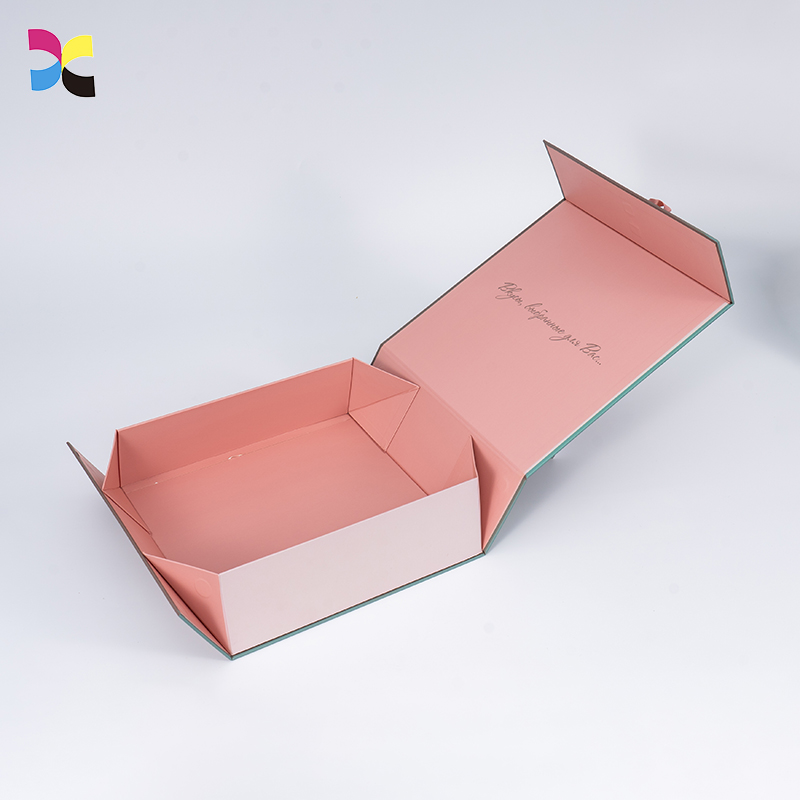
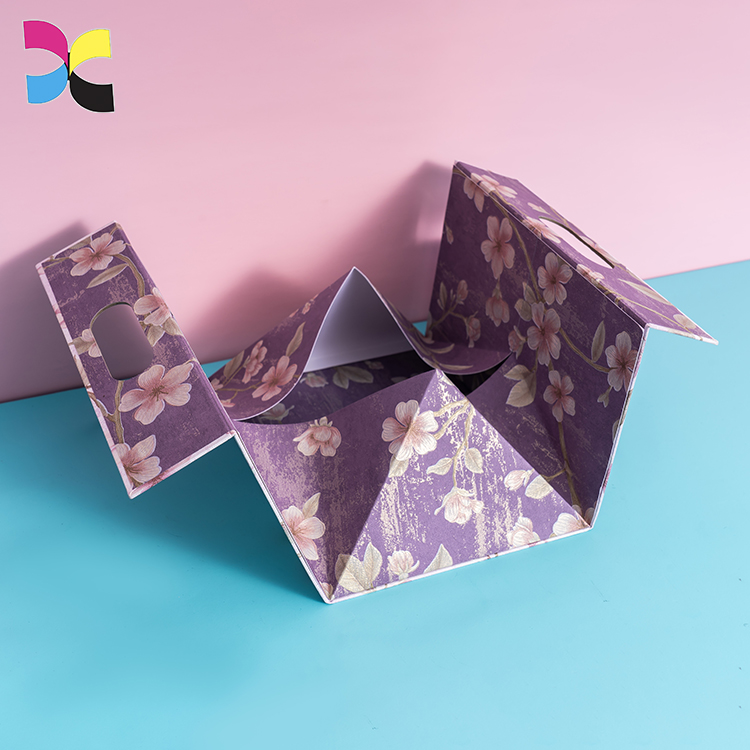
1. What Determines the Cost of Printing a Folding Box?
Several key factors determine the cost of printing a folding box: box size, material type, printing method, quantity, finishing options, and packaging structure. In general, larger sizes, premium materials, custom finishes, and lower order quantities will increase the unit cost.
| Factor | Impact on Cost | Typical Range |
|---|---|---|
| Box Material (paper type & thickness) | Low to High | Common folding carton board: 250–400 gsm. CCNB is usually the most economical, while SBS / FBB / FDA-grade board costs more. Material changes alone can shift total box cost by 20–50%, depending on grade and market supply. |
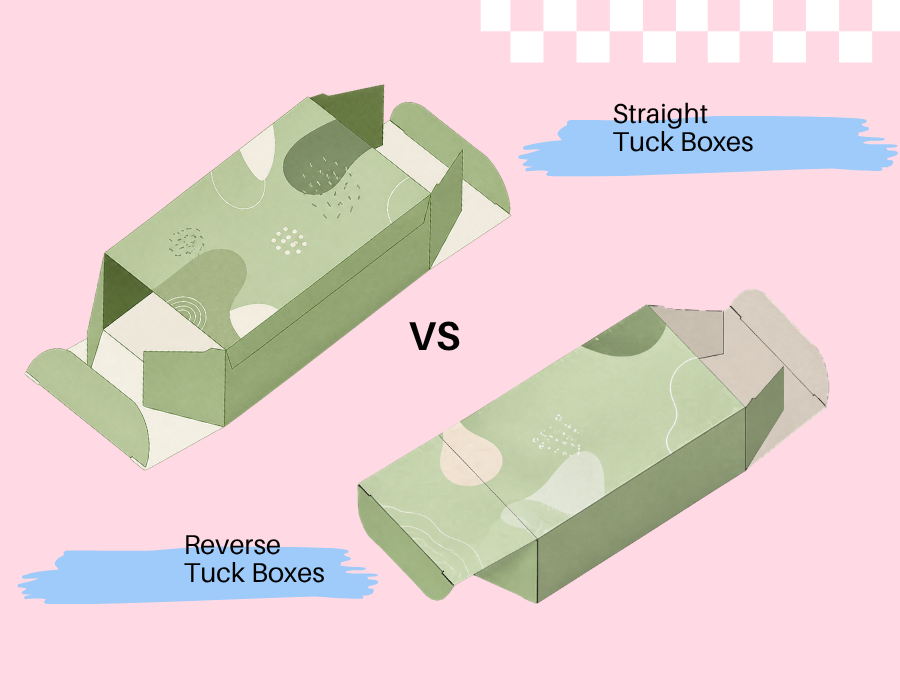
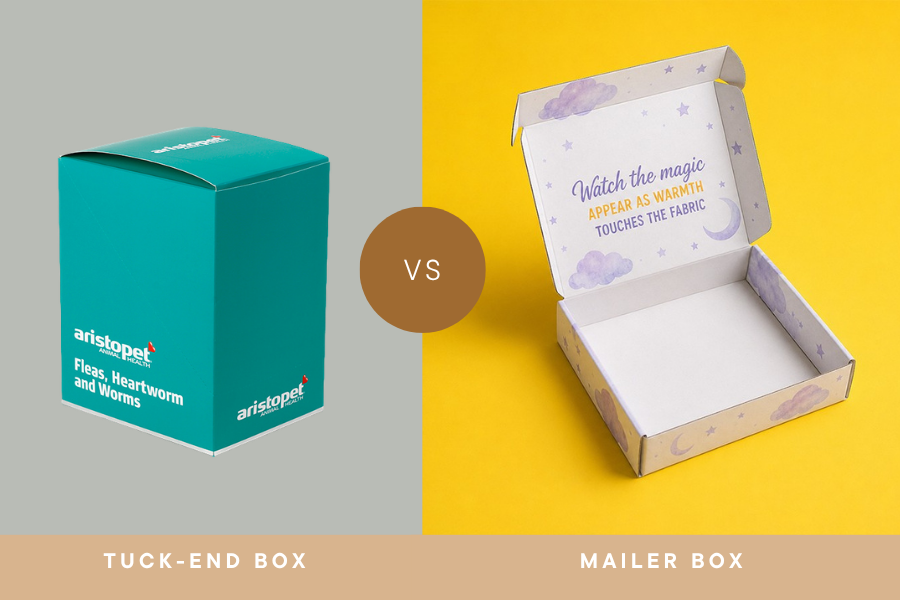
| Box size & structure complexity | Low to Medium | Larger boxes use more board and reduce sheet yield. Standard tuck-end is usually lowest cost. Auto-lock bottom adds converting cost; crash-lock, window patch, inserts, or multi-piece structures cost more. Complex structures may add 10–35%. |
| Tooling (die & plates) | One-time Cost | Steel rule die: US$300–1,500+ depending on size and complexity. Offset plates: US$50–200 per colour/plate. Foil / embossing dies extra. These costs matter most on short runs. |
| Printing method | Variable | Digital (no plate fee) vs. Offset (lower unit cost at scale) |
| Number of colours & finishing | Medium to High | Spot colours, foil stamping, embossing add $0.10–0.30 per box |
| Order quantity | Highest Impact | Fixed costs spread over more units. Example: 1,000 pcs vs 10,000 pcs may reduce unit price by 40–65%. Larger runs also improve board yield and machine efficiency. |
| Shipping & lead time | Low to High | Sea freight = lowest landed cost but slower. Air freight can add US$500–1,500+ per pallet depending on lane/season. |
| Quality control / compliance | Low to Medium | FDA, FSC, recycled-content claims, barcode grading, drop tests, tighter colour tolerance, AQL inspection all increase cost slightly but reduce risk. Often worthwhile for retail exports. |
Example (folding box 6” x 4” x 2”, 300gsm CCNB, CMYK + matte lamination)
| Quantity | Approx. per‑unit cost |
| 500 | $1.45 |
| 2,000 | $0.62 |
| 5,000 | $0.48 |
| 20,000 | $0.27 |
2.Digital Printing vs. Offset Printing – Which Is Better for Your Folding Box?
Many of our customers ask the same question: Should we choose digital printing or offset printing for folding boxes? The honest answer is that it depends on your order quantity, budget, artwork needs, and delivery timeline.
If you need a short run fast, digital often wins. If you need scale and consistency, offset is usually the smarter long-term choice.
Digital Printing
Digital printing has no plate cost, which makes it ideal for small orders, product testing, seasonal launches, or urgent reorders. It works especially well for 50 to 500 boxes, where traditional setup charges would otherwise push the unit cost too high.
Lead times are also a major advantage. Many short-run digital carton jobs can be completed in 1–3 days, helping brands move quickly. Another strong benefit is variable data printing. If each box needs a unique QR code, serial number, campaign code, or personalized design, digital handles that efficiently.
Offset Printing
Offset printing requires setup materials such as plates, so there is usually an upfront cost of around $100–500+ per job, depending on colours and size. That makes it less economical for very small runs.
However, once volume increases, offset becomes much more cost-efficient. For 1,000+ boxes, and especially larger production runs, the unit price often drops significantly.
Offset also remains the preferred option for brands that need excellent colour consistency, precise Pantone matching, premium finishes, and repeatable results across multiple batches. Lead times are also a major advantage. Many short-run digital carton jobs can be completed in 1–3 days, helping brands move quickly. Another strong benefit is variable data printing. If each box needs a unique QR code, serial number, campaign code, or personalized design, digital handles that efficiently.
3.Print‑on‑Demand vs. Bulk Printing – Which Strategy Wins?
Both print-on-demand (POD) and bulk printing have a valid place in B2B packaging. The better option depends on one key question: Do you want maximum flexibility, or minimum unit cost?
If your product line changes often, POD can reduce risk. If demand is stable, bulk printing usually delivers stronger margins.
Print-on-Demand (POD)
POD is ideal for businesses that need packaging in smaller quantities, often from 50 to 1,000 boxes per run. Since boxes are printed only when needed, the upfront investment is low and there is no need to tie up cash in large packaging inventory.
This makes POD especially useful for:
- New product launches
- Seasonal campaigns
- Limited editions
- Market testing
- Fast-moving SKU changes
Another major benefit is reduced waste. If branding, regulations, or artwork changes, you are not left with thousands of outdated cartons.
The trade-off is cost. Per-unit pricing is usually 2–5 times higher than bulk production, especially at larger volumes.
Bulk Printing
Bulk printing is the traditional cost-efficient model for established brands with predictable demand. Typical runs range from 5,000 to 100,000+ boxes, depending on the product category.
While the upfront spend is higher, unit cost is significantly lower because setup, materials, and machine time are spread across more units.
Bulk printing works best for:
- Core products with steady sales
- High-volume SKUs
- Retail programs with forecast demand
- Brands focused on margin optimization
The main downside is inventory exposure. Warehousing, cash flow pressure, and outdated packaging can all become real costs if demand changes.
Hybrid Packaging Strategy
Many experienced brands now combine both models. A common approach is to bulk print a neutral folding box, plain white, kraft, or logo-only packaging. Then use POD for sleeves, labels, stickers, or wraps that contain product-specific or seasonal information.
This gives you:
- Lower base packaging cost
- Faster design updates
- Less obsolete inventory
- More flexibility across SKUs
- Better cash flow control
4.China Folding Box Supplier vs. Local Printer – What’s the Difference?
One of the biggest sourcing decisions: buy locally or directly from a Chinese supplier? Let’s compare total landed cost.
| Factor | Local Printer (US) | Chinese Supplier |
| Unit price (same spec) | 0.45–0.90 | 0.15–0.40 |
| Tooling / die charge | 250–600 | 80–200 |
| Shipping free | Low or included | 300–1,500 per CBM (sea) |
| Total lead time | 500+ | 100– 10,000+ |
| Quality control | Easy | Remote (samples + 3rd‑party inspection) |
| Best for | Short runs, urgent launches, low inventory risk | Stable demand, cost reduction, scale production |
5.How to Reduce Folding Box Packaging Cost
Lower cost doesn’t mean lower quality. Here are five proven tactics used by custom box packaging buyers.
1. Optimise box dimensions
A 10% increase in each side can raise material usage by ~33% (volume effect). Reduce empty space. It saves board and shipping weight.
2. Use standard board grades
Specialty boards (e.g., textured recycled kraft) can cost 40% more than standard CCNB. Unless your brand requires it, stick with widely available grades.
3. Reduce spot colours; use CMYK + varnish
Spot Pantone colours add plate costs and slower press time. A clean CMYK design with gloss or matte varnish often looks just as premium for nearly half the price.
4. Combine SKUs into one outer box with different inserts
If you have three product variants, print one neutral folding box and vary the inner dividers or sleeves. Higher volume on the same box → lower per‑unit cost.
5. Consolidate orders with other packaging items
Order folding boxes together with labels, mailers, or tape from the same supplier. You’ll save on separate shipping and often unlock volume discounts across categories.
6. Get an Instant Quote – What You Need to Prepare
6. Get an Instant Quote – What You Need to Prepare
Now that you understand the cost drivers, you’re ready to request a real, accurate quote. To get the fastest and most precise pricing for your folding boxes, please prepare the following:
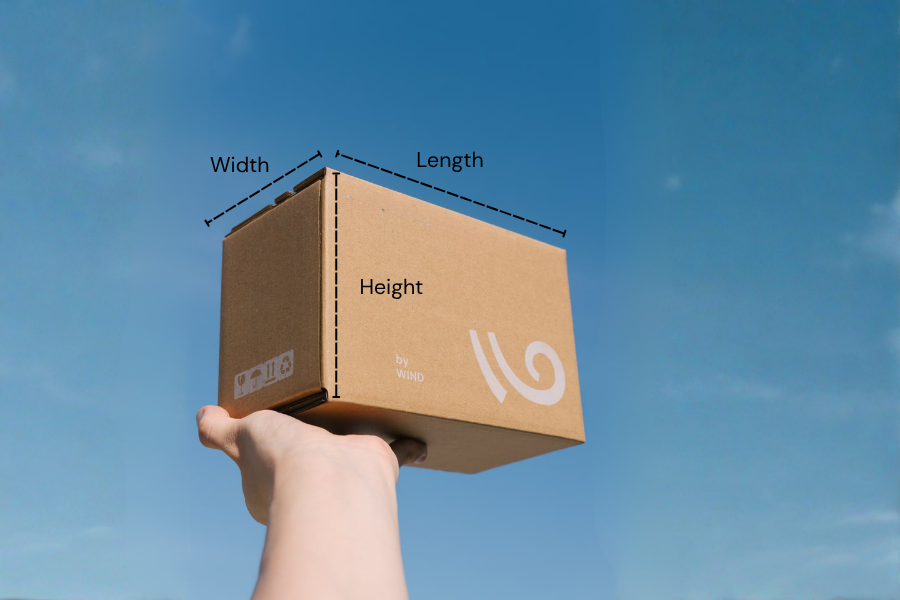
- Finished box dimensions (L × W × H) in mm or inches
- Material type & thickness (e.g., 300gsm CCNB, E‑flute corrugated, Kraft)
- Printing details (number of colours, CMYK + any Pantone)
- Surface finishing (gloss/matte lamination, aqueous coating, spot UV, foil)
- Quantity (tiered requests: 1k, 5k, 10k, 25k help you see the curve)
- Design file format (PDF with bleed – or do you need design assistance?)
- Shipping destination (postal code or city/country for freight calculation)
Most reliable custom box manufacturers provide a 12‑hour quote turnaround when you supply the above. For even faster results, you can also upload a photo of an existing box or a rough sketch so they can match the material and finish from there.